 A leading provider of Investment consulting services
Blog Details
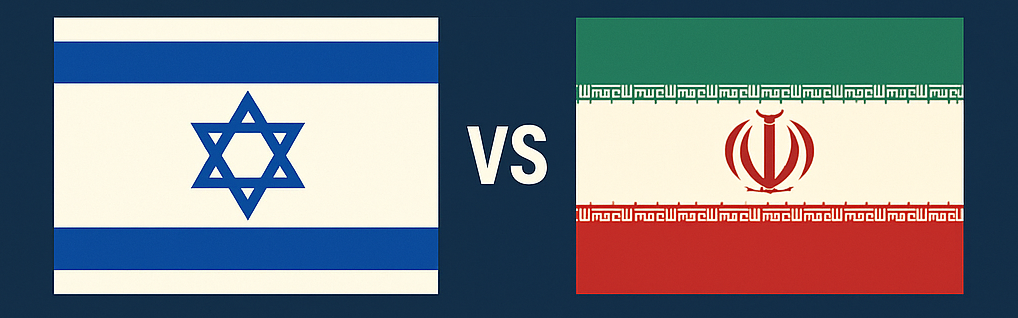
Geopolitical Shockwaves: Market Impacts of the Israel‑Iran Conflict
1. Crypto Markets: Shock, Then Stabilization
-
Sharp dip, quick rebound: Bitcoin plunged to around $103 k–$104 k after Israeli strikes, alongside a broad crypto sell-off.
-
Risk-on calm as tension eased: Bitcoin recovered into the ~$106 k range amid U.S. pauses, while other altcoins followed suit . Crypto remains tethered to broader risk appetite.
2. Traditional Financial Markets: Equities, Bonds & Safe Havens
-
Equities jittery: U.S. and global stock futures showed declines as investors assessed U.S. involvement.
-
Rotation toward safety: Treasuries, gold, and the U.S. dollar saw inflows—though bond yield movements were mixed.
-
Complacent calm: Despite the tension, markets have remained relatively stable—plagued more by anxiety about complacency than panic.
3. Equity Sectors: Who Wins and Who Loses
-
Losers: Airlines suffered due to restricted Mideast airspace and elevated travel risk.
-
Winners: Energy stocks and defense contractors outperformed as oil surged and safety concerns rose.
4. Oil & Commodities: Supply Risks Drive Prices
-
Volatile rise: Brent spiked ~7% on June 13 and peaked ~11% higher—reaching mid-to-high $70s.
-
Strait of Hormuz threats: Iranian threats to disrupt the Strait sent prices past $100–$150 in worst-case assessments.
-
Cap on spikes: Excess capacity from OPEC, U.S. shale, and reduced Chinese demand may limit extended rallies.
Market Scenarios Ahead
| Scenario | Oil | Equities & Bonds | Crypto |
|---|---|---|---|
| De-escalation | $70–80/bbl | Equities & growth assets recover; bonds steady | Risk-on rebound continues |
| Broader escalation, U.S. involved | $100–150 | Sharp stock drop; bond rallies; Fed delays rate cuts | Initial dive, then hedge-driven rebound |
| Chronic low‑level tension | $80–90 | Volatile but range-bound markets | Oscillation with equities |
| Regional spillover (e.g. Strait closure) | $120+ | Inflation fears; defensive positions; gold, USD rally | High volatility; potential hedge demand |
Strategic Takeaways
-
Strait of Hormuz is key: Monitor its status—it’s the biggest wildcard.
-
Diversify across risk assets: Mix stocks, bonds, crypto—but tilt toward energy or hedges.
-
Follow central bank tone: Rising oil and inflation may delay rate cuts.
-
Stay nimble: Volatility remains high; tactical adjustments may pay off.
Final Thoughts
The Israel‑Iran conflict is nudging markets into reflexive risk-off behavior, especially via energy supply fears. While equities and crypto are shaking off some pressure, the possibility of deeper escalation remains critical. Smart investors should hedge exposure—monitor trade routes, central bank communications, and price action across oil and safe havens to navigate the turbulence ahead.